Hinduism is one of the oldest religions in the world, with its roots dating back over 5,000 years. It is not just a religion but a way of life, known as Sanatana Dharma (Eternal Truth). Unlike many other religions, Hinduism has no single founder, central authority, or universal doctrine. Instead, it is a vast and diverse spiritual tradition that encompasses numerous gods, philosophies, texts, and practices.
A. The Concept of Brahman (The Supreme Reality)
Hinduism believes in Brahman, the ultimate, formless, eternal, and
infinite divine force that pervades everything in the universe. It
is both Nirguna (without attributes) and Saguna (with attributes,
taking forms as gods and goddesses).
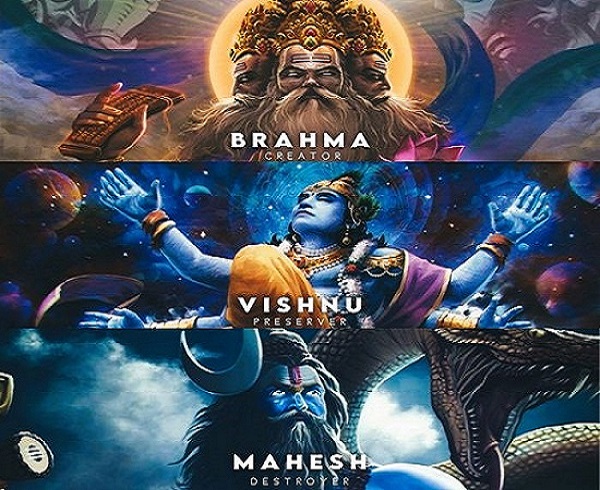
B. The Trinity of Hindu Gods (Trimurti)
The three principal deities that represent different aspects of
Brahman are:
These gods maintain cosmic balance and are worshiped in various forms.
C. The Cycle of Birth, Death, and Rebirth (Samsara)
Hindus believe in reincarnation, where the soul (Atman) is reborn in
different lives based on karma (actions). This cycle continues until
the soul achieves moksha (liberation).
D. Karma: The Law of Cause and Effect
Good actions lead to positive outcomes in this life or the next. Bad
actions bring suffering and obstacles in future births. Karma
determines a person’s birth, destiny, and future spiritual
evolution.
E. Moksha: The Ultimate Goal of Life
Moksha is the liberation from the cycle of birth and death
(samsara). It is achieved through spiritual knowledge, devotion,
meditation, and righteous living. Moksha unites the soul with
Brahman, bringing eternal peace and bliss.
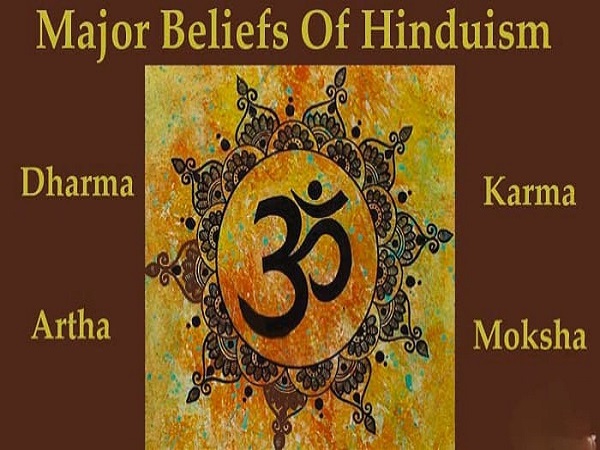
Hinduism defines four goals that provide a balanced and meaningful life:
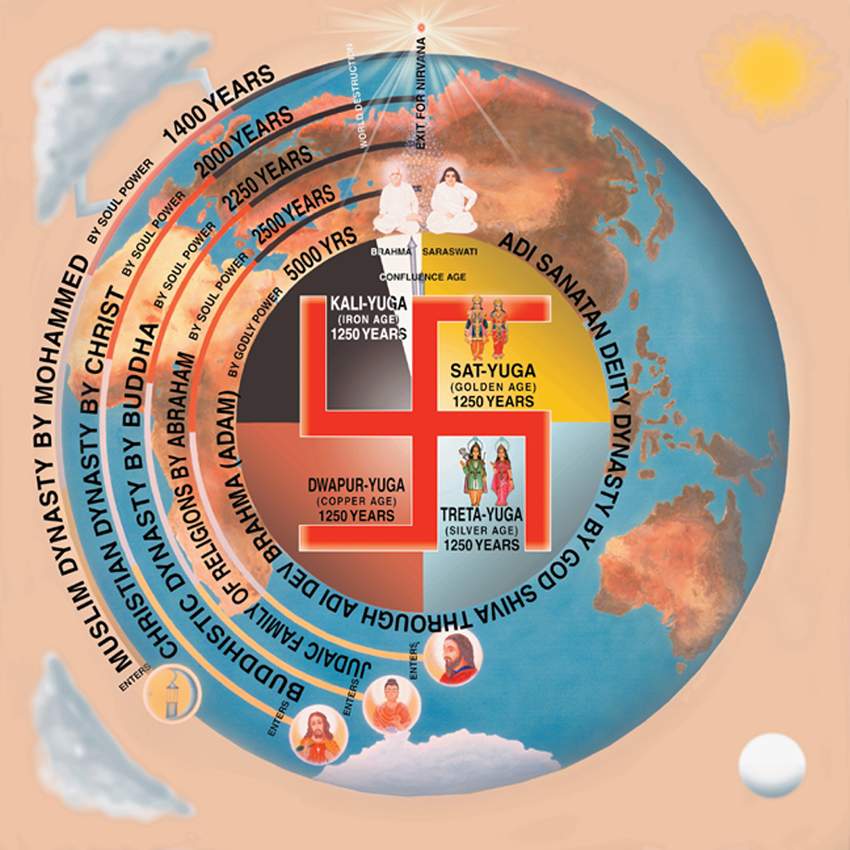
Hinduism describes time as cyclical rather than linear. The universe undergoes endless cycles of creation and destruction, divided into Four Yugas: We are currently in Kali Yuga, which will end when Lord Vishnu appears as Kalki to restore dharma.
Hindu scriptures are categorized into Shruti (heard) and Smriti
(remembered).
A. Shruti (Divinely Revealed Texts)
1. Vedas – The oldest Hindu scriptures, divided into four:
Hinduism has millions of gods, but some of the most widely
worshiped include:
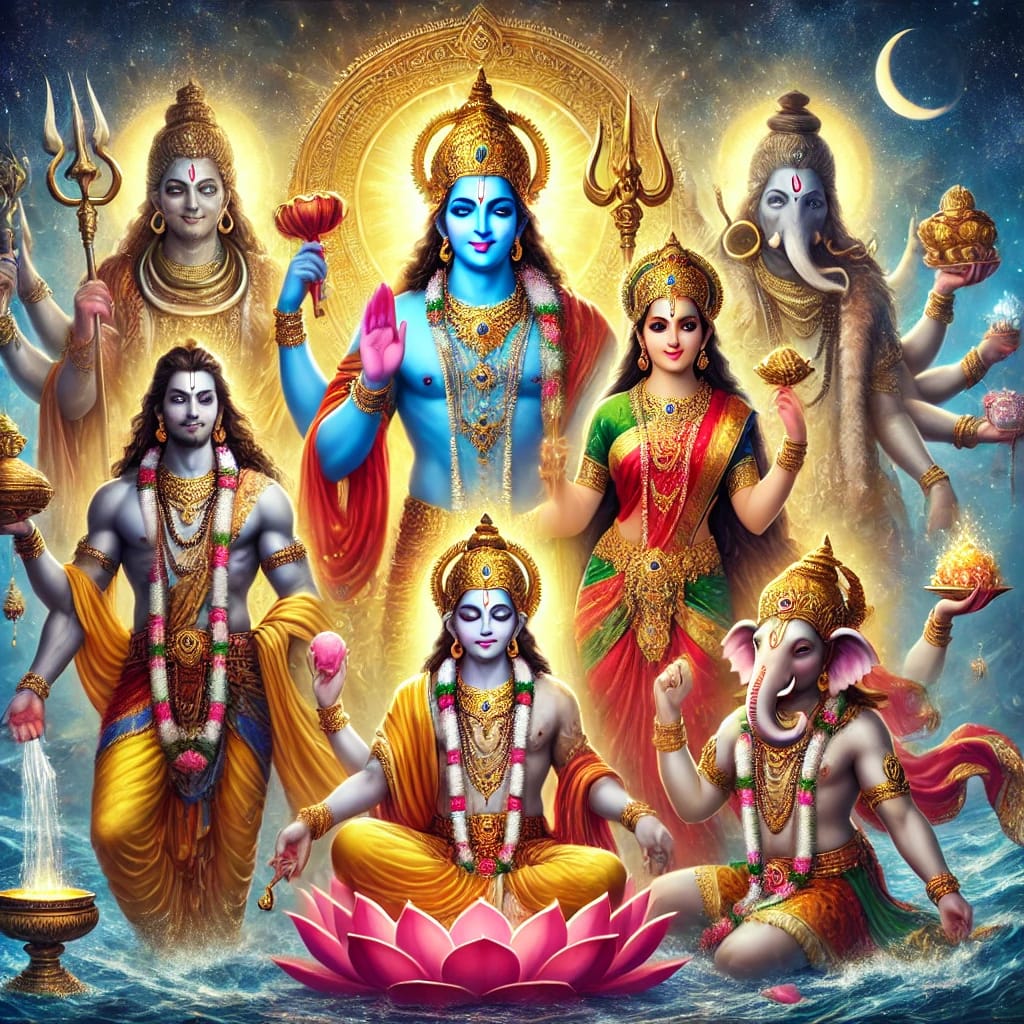
Vishnu – The protector of the universe. His
incarnations include Rama, Krishna, and Narasimha.
Shiva – The destroyer and symbol of
transformation.
Lakshmi – Goddess of wealth and prosperity.
Saraswati – Goddess of knowledge and wisdom.
Parvati – Goddess of love, fertility, and
power.
Ganesha – The remover of obstacles.
Hanuman – The devoted servant of Lord Rama and
symbol of strength.
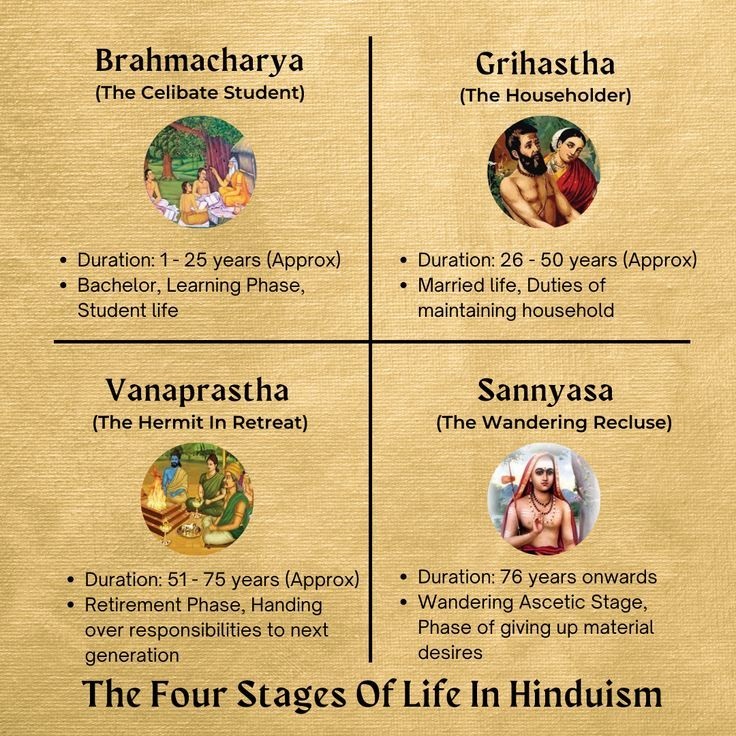
Hinduism prescribes four stages of life for spiritual and personal growth:
A. Temples and Puja (Worship)
Worship can be performed at home or in temples. Puja (prayer
ritual) includes offerings, chants, and aarti (lamp waving).
B. Festivals in Hinduism
Hindus celebrate numerous festivals throughout the year, such as:
Diwali – Festival of Lights, celebrating the
return of Lord Rama.
Holi – Festival of colors, celebrating love and
the victory of good over evil.
Navaratri – A nine-day festival honoring
Goddess Durga.
Janmashtami – The birth of Lord Krishna.
Maha Shivaratri – Devotion to Lord Shiva.
C. Yoga and Meditation
Hinduism teaches yoga as a means to unite the body, mind, and
soul. The four main types of yoga are:
Hindu cosmology describes a multiverse where countless universes
exist and undergo cycles of creation, preservation, and
destruction by Lord Brahma, Vishnu, and Shiva.
A Kalpa (Day of Brahma) lasts 4.32 billion years.
After 100 Brahma years, everything dissolves into Brahman, only to
be reborn again.